The Northeast Atlanta housing market rewards people who combine local knowledge with practical, long term thinking. Whether you are preparing to buy your next home or to sell and move on, this guide focuses on strategies that remain relevant across shifting interest rates, inventory cycles, and neighborhood change. Read on for clear metrics to track, renovation choices that pay off in this region, and the everyday negotiation moves that tip deals in your favor.
Start with the market signals that matter most. Track days on market, median sale price, price per square foot, and current inventory expressed as months of supply. When months of supply falls under six, competition typically increases for well priced homes. Watch list to sale price ratio to understand how much concession sellers are making. These numbers tell you whether to be aggressive with offers or patient and selective.
Location is still king, but the definition of valuable location has broadened. Buyers now prioritize commute time to major job centers and access to major roads, quality of nearby schools, and local amenities such as parks, coffee shops, and grocery options. Sellers should highlight proximity to these features in listing descriptions and marketing materials because small walkability and convenience differences can translate into big price gaps.
For buyers: get mortgage preapproval early and keep it current. That clarity speeds up offers and signals credibility to sellers. Build comparative market analysis into every offer. Use recent closed sales within a mile and the same school zone when determining a fair bid. If the market is competitive, consider a clean, well-structured escalation or a strong earnest money deposit combined with a realistic inspection timeline to keep your offer attractive without removing key protections.
For sellers: price for demand, not just for emotion. An overpriced home may sit and eventually sell for less. Consider a short pre-listing inspection to reduce buyer concerns and speed closing timelines. Invest in photography and targeted online marketing aimed at buyers who search for Northeast Atlanta neighborhoods by commute, schools, and lifestyle. Small presentation upgrades such as fresh paint in neutral tones, updated lighting, and decluttering frequently generate outsized returns.
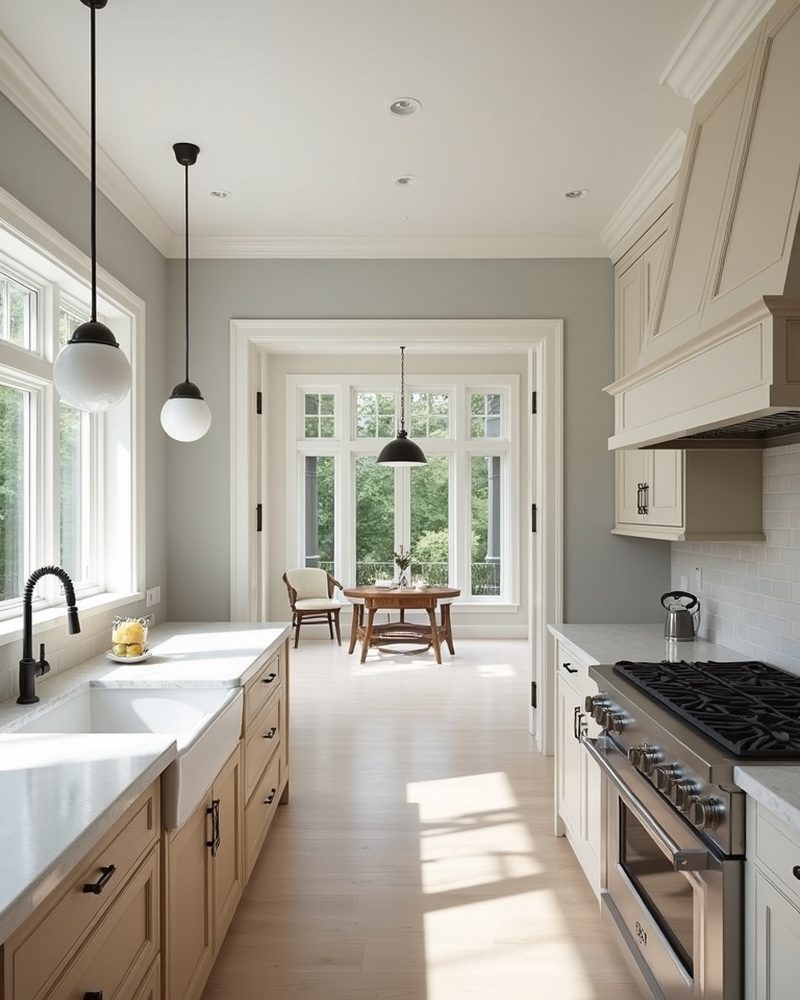
Renovation decisions should be guided by return on investment in Northeast Atlanta, not by trendiness. Focus on projects that improve function and perceived quality: kitchens with durable countertops and modern hardware, bathrooms with updated fixtures and good lighting, HVAC and roof updates that remove buyer risk, and improved curb appeal through landscaping and a welcoming entry. Avoid large, highly personalized remodels that only appeal to a narrow buyer set unless your property sits in a niche neighborhood that demands that style.
Understand the role of inspections and disclosures. For buyers, inspection findings are an opportunity to negotiate repairs or credits. For sellers, full and honest disclosures plus fixing obvious safety or system issues before listing can prevent last minute deal failures and maintain buyer confidence.
Neighborhood change matters. Keep an eye on local zoning changes, new commercial development, and infrastructure projects. A new school, park, or transit link can raise demand, while proposed dense development or traffic changes can alter desirability. Research permit activity and speak with neighbors or your agent about planned projects when evaluating long term value.
Price per square foot comparisons are useful but incomplete. Factor in lot size, ceiling heights, natural light, functional layout, and usable outdoor space. Two homes with similar square footage can command substantially different prices based on flow and lifestyle fit. Photos, virtual tours, and accurate floor plans help buyers decide quickly; sellers should make those resources easy to find.
Timing still matters. Spring brings more listings and more buyers, while fall can produce serious buyers who need to move. If your timeline is flexible, list when inventory is lower or when competing listings are minimal in your price range. Buyers who can move quickly when a great property appears often secure better terms.
Create a simple decision checklist before you buy or list. For buyers: budget and
