Northeast Atlanta is a collection of neighborhoods where small differences matter: a tree-lined street vs a busy corridor, a top-rated elementary school vs a solid but average district, a planned transit stop vs no immediate change in sight. Whether you are buying or selling, understanding how curb appeal, community plans, and the local details interact will put you ahead of other participants in the market today and for years to come.
Real estate is local. The macro headlines about mortgage rates or national inventories matter, but the decisions that create long term value happen at the block and plan level. Start by learning what makes a property outperform nearby comparables: lot orientation, recent utility projects, streetlight and sidewalk investments, nearby commercial rezonings, and the health of the homeowners associations in the area.
For buyers focus on three immediate priorities: affordability aligned with long term lifestyle, objective condition and maintenance risk, and the neighborhood momentum you can live with. Get preapproved, but go further: map commute times to your most frequent destinations during actual rush hours, check school options if you have kids, and visit the property at different times of day and week to confirm noise, parking, and foot traffic. In Northeast Atlanta, that could mean considering how a shorter drive to I-285 or Peachtree Industrial Boulevard changes your daily life and resale appeal.
For sellers prioritize projects that show well and deliver measurable ROI in this market. Fresh paint, trimmed landscaping, updated lighting, and staged living spaces consistently reduce days on market. Be strategic with repairs: address safety and major systems first, then cosmetic updates that photograph well. Sellers who price with local comps and include a recent pre-inspection often remove friction from contract negotiations and can convert more offers into smooth closings.
One evergreen advantage in Northeast Atlanta is paying attention to community plans and small public projects. A planned park, pedestrian crossing, or school expansion can raise demand for adjacent blocks even if headline development seems unchanged. Check county planning department notices for Dekalb, Fulton, and Gwinnett depending on the exact neighborhood, and ask your agent about small infrastructure improvements that may not make major news but do change buyer behavior.
When evaluating price and value, use multiple comparable approaches. Look at recent solds, pending listings, and active inventory for homes of similar age, lot size, and updates within a half mile radius. Factor in micro features such as access to greenspace, presence of mature trees, and driveway parking versus street-only options. These nuances often explain why two houses on the same street sell for materially different prices.
Negotiation in today's market still rewards preparation. Buyers who bring a clean, realistic offer with a clear financing plan and reasonable contingencies are taken more seriously. Sellers who present an organized packet of recent inspections, utility bills, and HOA rules project transparency and reduce buyer hesitation. Both sides benefit when expectations around timelines and inclusions are spelled out early.
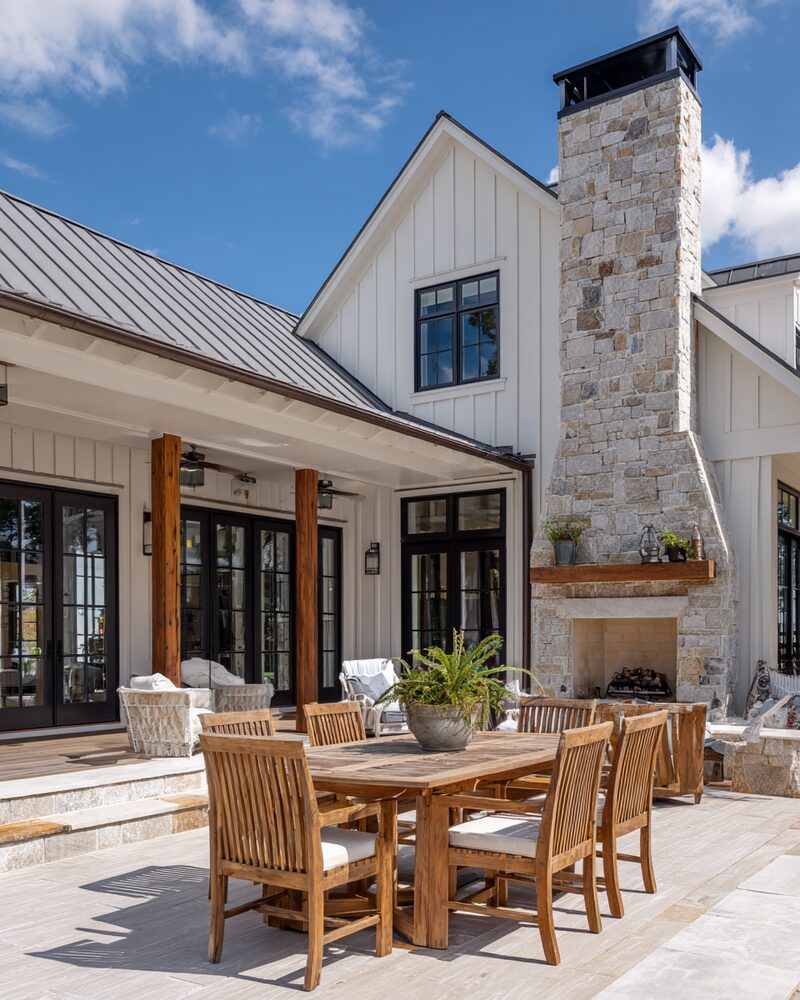
Consider upgrade priorities through the lens of local buyers. In many Northeast Atlanta neighborhoods, buyers value functional kitchens and livable outdoor spaces more than high-end finishes. An updated countertop, modern faucet, and a welcoming patio or backyard landscape will often beat an expensive but highly personalized remodel. Energy efficiency improvements like a new HVAC or good insulation can also be strong selling points in the region.
Another long term consideration is resale flexibility. Homes that accommodate different life stages—single professionals, families with school needs, empty nesters—tend to outperform. If you plan to sell within five to seven years, err toward neutral finishes, open but practical floor plans, and durable materials that appeal broadly. For buyers, identify properties with adaptable spaces that could convert to a home office, nanny suite, or rental bedroom if life changes.
Marketing matters. Quality photos, a well-written neighborhood description, and targeted online listings attract the right traffic. For sellers, make sure your listing highlights commute times, local schools, nearby shopping nodes, and recent community improvements. For buyers, use saved searches and set alerts for key features you want—lot size, school zone, or proximity to transit hubs—so you're first to see promising opportunities.
If you want a practical
