The way roads, schools, public projects and new housing developments move forward in Northeast Atlanta directly affects what buyers will pay and what sellers can expect. This is true today and will remain relevant as neighborhoods evolve, making it essential for anyone buying or selling in the region to know how to read those changes and act strategically.
Begin with the basics: track planned road improvements, school expansions, and utility upgrades. Projects that reduce commute times or improve broadband access increase buyer demand, while proposed changes in zoning or higher-density construction can change a neighborhood's profile. Check local planning commission agendas, county permit records, and school board meeting notes; those sources reveal the timeline and scale of change before it hits listings and prices.
New construction trends matter at two levels. First, where builders are active tells you which corridors will see fresh inventory and comparable sales soon. Second, the style and features of new homes set buyer expectations for finishes, energy efficiency, and flexible spaces like home offices. For sellers, aligning a home’s presentation with those expectations can make your property feel current and competitive without major remodeling.
For buyers, a useful rule is to weigh immediate lifestyle fit against long-term resale. Neighborhoods gaining infrastructure often appreciate faster, but they may also experience short-term construction noise and traffic. If you plan to stay five years or more, growth-related upgrades (better schools, improved roads, new parks) tend to pay off. If your horizon is shorter, seek pockets where improvements are already complete and inventory is stable.
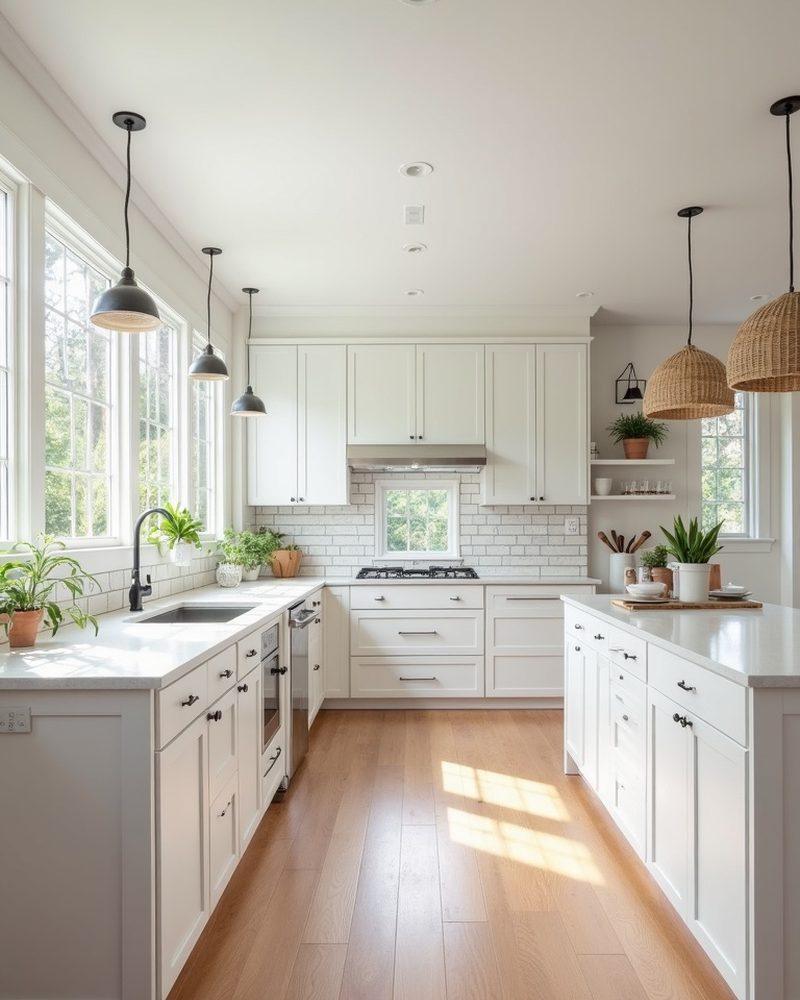
Sellers should consider targeted updates that respond to local supply. In areas where new builds emphasize open plans and outdoor living, modest investments like refreshing kitchens, creating easy indoor-outdoor flow, and improving curb appeal can yield outsized returns. In communities with rising interest in low-maintenance living, staging to highlight main-level living or smart storage solutions helps listings stand out.
When evaluating value, always use local comps and adjust for new construction benchmarks. Recent sales in nearby subdivisions, along with active builder pricing and incentives, create a realistic price band. Work with an agent who monitors builder activity, lot releases, and incentive cycles so the list price and marketing strategy reflect both existing demand and what buyers expect from new homes.
Don’t overlook quality-of-life signals that influence long-term demand: walkability to shops, proximity to Lake Lanier and other outdoor amenities, school performance trends, and community programming at rec centers and libraries. These factors may not shift prices overnight, but they shape who moves into a neighborhood and how quickly homes hold value over time.
If you want a practical, neighborhood-focused read on how specific infrastructure and construction plans will affect your buying or selling strategy in Northeast Atlanta, call or text Antjuan Lankford at 404-597-3430. I track local projects, builder activity and school changes across Flowery Branch, Hoschton, Murrayville and the surrounding communities, and I can provide tailored insight that helps you make a confident decision. For more resources and current listings visit
www.lankfordhomes.com.
Making a smart move in Northeast Atlanta means connecting the dots between public plans, private development and buyer preferences. With consistent local research and the right guidance you can position any transaction to benefit from the next wave of neighborhood improvements.
