Todays Northeast Atlanta real estate market rewards people who study local details and plan for long term value. Whether you are buying your first home, upsizing, downsizing, or selling an investment property, the same core principles will keep you competitive now and relevant for years to come.
Start with the neighborhood micro view not just the zip code view. Cities and suburbs in Northeast Atlanta vary block by block. Look at recent sold prices on the same street, school attendance boundaries, and new construction permits within a mile. These granular signals give you a truer sense of what buyers will pay and what your house can become with modest improvements.
Be realistic about timing and pricing. Price too high and your listing ages; price too low and you leave money on the table. The best approach is a market-based price that reflects current comparable sales and expected buyer traffic for your price point. For buyers, give your offer context: explain your flexibility on closing dates or inspection timelines when appropriate. For sellers, prepare comparable-market data to support your price to agents and buyers.
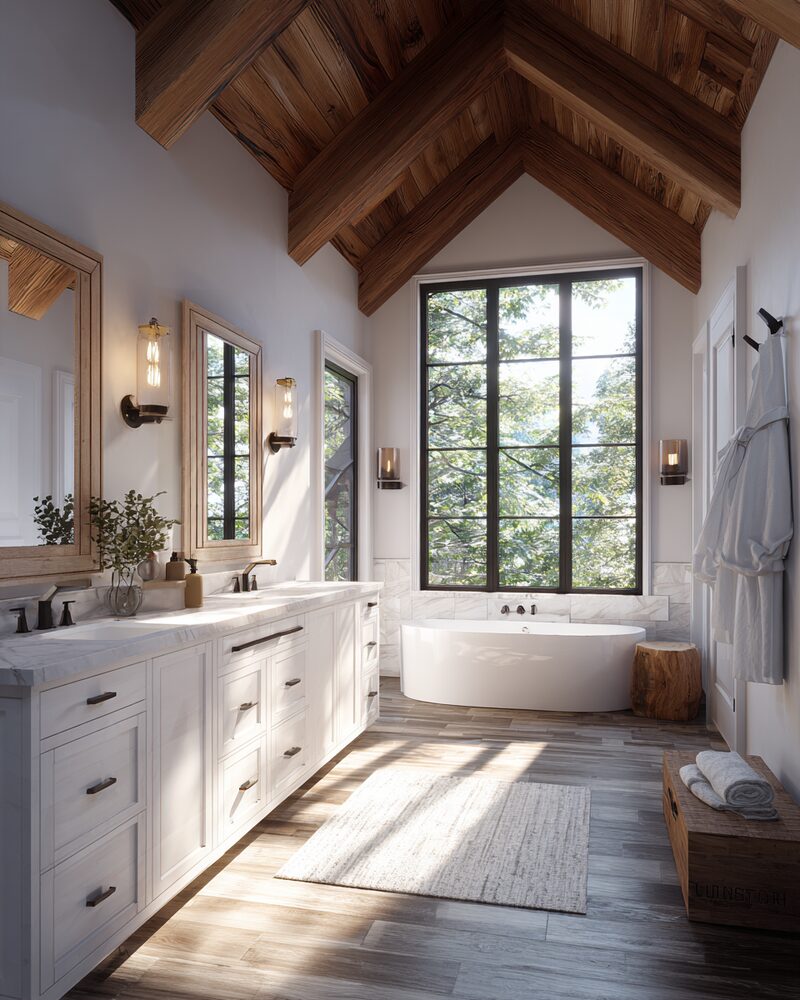
Prioritize improvements with the best return on investment for Northeast Atlanta buyers. Kitchens, master baths, and durable curb appeal upgrades typically deliver strong returns, but the local nuance matters. In markets with many midcentury or traditional homes, maintaining neighborhood character while modernizing finishes often outperforms over-the-top remodeling. Focus on neutral paint, durable flooring, energy-efficient HVAC, and landscaping that improves first impressions.
Understand commute corridors and planned infrastructure. Proximity to major highways, MARTA expansions, or new commercial centers can shift demand quickly. Buyers should map realistic commutes for typical work hours; sellers should highlight easy access to key routes and local transit in listing materials. Future road or transit projects can be a selling point, but always validate timelines with local government or planning departments.
School zones and local services matter more than many sellers expect. Even if a home buyer does not have children, strong schools, parks, and active neighborhood associations increase demand and resale resilience. If a property sits near a high-performing elementary or a planned park, include that information in marketing and in open house materials.
Marketing is local. High-quality photography, daytime and twilight shots, accurate floor plans, and neighborhood maps that highlight trails, restaurants, and schools make listings stand out in Northeast Atlanta. Virtual tours and targeted social campaigns that focus on nearby communities like Dunwoody, Brookhaven, Johns Creek, Norcross and others help attract buyers who want a specific lifestyle rather than just square footage.
Negotiate with both data and empathy. Use inspection reports and comparables to support repair requests or price adjustments. For buyers, present clean financing preapprovals and realistic contingency timelines to make your offer more attractive. For sellers, decide ahead of time which repairs you will handle and which concessions you will consider to avoid rushed decisions under contract pressure.
Think longer term about property type and flexibility. Single family homes with adaptable floor plans and good outdoor space generally hold value well. Townhomes and condos can perform strongly if they are in walkable areas with strong HOA management. Investors should factor in local rental demand, school seasons, and owner-occupant appeal when choosing properties.
Work with a local expert who tracks Northeast Atlanta trends every day. A market veteran can provide a custom comparable market analysis, recommend specific improvements that local buyers want, and position your listing where active buyers will see it. If you want a neighborhood
