The Northeast Atlanta real estate market moves fast in some pockets and steady in others, but buyers and sellers who think beyond a single transaction consistently win more value over time. This guide lays out practical, search-friendly strategies for anyone looking to buy or sell in Northeast Atlanta today and for years to come.
Start with local context: know the micro markets. Northeast Atlanta includes neighborhoods and suburbs such as Brookhaven, Peachtree Corners, Johns Creek, Duluth, Norcross, Suwanee, and the Lake Lanier corridor. Each area has distinct demand drivers — school zones, commute patterns, new development, and lifestyle amenities — that determine which homes hold or grow their value. Run a few recent comparable sales in the exact subdivision or street rather than relying on broad zip code averages.
Price with purpose. Buyers should use recent sold data, days on market, and list-to-sale price ratios to shape offers; sellers should price at the intersection of current demand and strategic positioning. In a market with limited inventory, a slightly aggressive but justifiable price can generate multiple offers. In a slower micro market, a sharper pricing strategy combined with superior presentation is the fastest path to a strong net result.
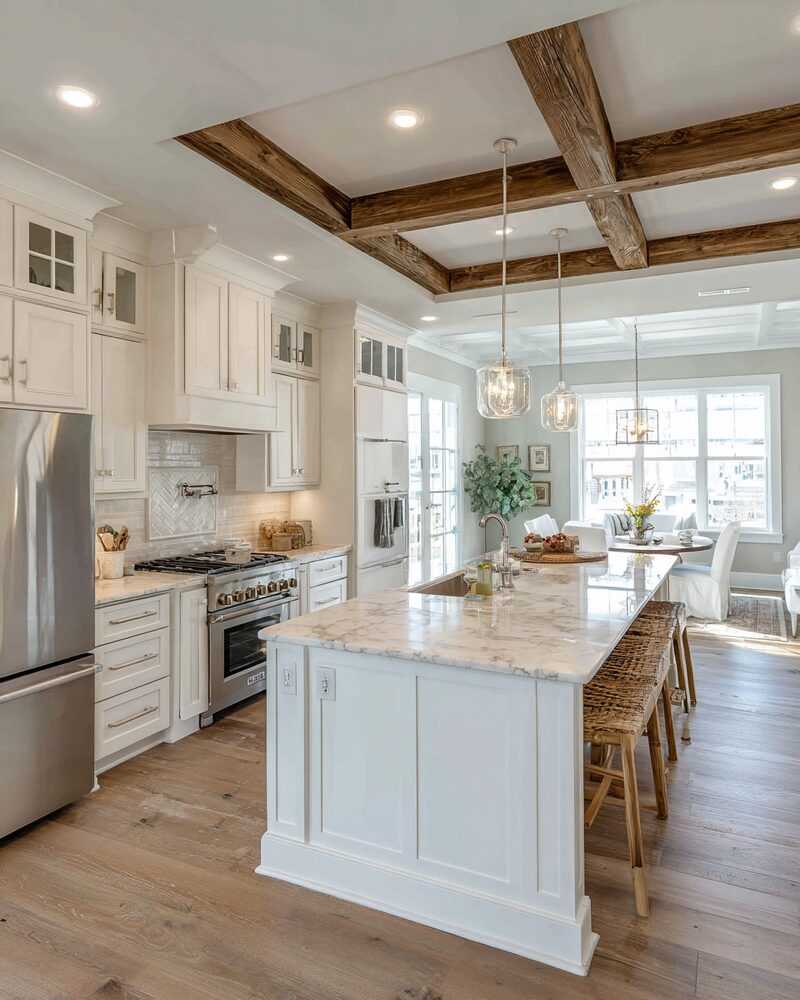
Make the right improvements for resale. In Northeast Atlanta, updates that appeal broadly tend to outperform niche luxury customizations. Focus on kitchens, bathrooms, fresh paint in neutral tones, functional landscaping, and energy efficient systems like updated HVAC and water heaters. Small projects that reduce buyer uncertainty — a new roof certificate, completed radon or termite treatments, or professional electrical and HVAC inspection reports — often shorten market time and protect asking price.
Understand the long term factors that matter. Schools, planned road projects, zoning changes, and commercial developments can alter demand dramatically. Monitor county planning commission updates and local school rezoning proposals. Where new retail, transit, or employment centers are planned, buyers may pay a premium up front but gain meaningful appreciation; sellers benefit from earlier recognition of that value.
Think in terms of use cases. Are you buying a starter home, a forever home, or a rental property? For investors, rentability metrics and cap rates matter most; for families, proximity to high-performing schools and safe walkability matter more. Align your purchasing criteria with your likely exit strategy and timeline — that clarity reduces costly mistakes.
Negotiate with data, not emotion. Whether you are submitting an offer or responding to one, tie terms to facts: recent comps, inspection findings, and real closing contingencies. In competitive Northeast Atlanta pockets, flexibility on closing dates, earnest money, or minor seller concessions can be the tie-breaker without materially impacting your financial outcome.
Prepare to act when the signal appears. Watch local inventory trends and price bands for signs of tightening or loosening. If inventory drops in the price range you are targeting, secure inspections and financing pre-approval so you can move quickly. Sellers should create a 90-day checklist for repairs, staging, photography, and paperwork so they are ready when the market is favorable.
Record-keeping and transparency sell trust. Keep service records, disclosure documents, and permits organized. Buyers who see a well-documented maintenance history feel more comfortable offering close to list price. Sellers who proactively address minor repairs based on inspections avoid renegotiations and last-minute fall-throughs.
If you want a local partner who knows the streets, schools, and subtle signals that move value in Northeast Atlanta, reach out to Antjuan Lankford at 404-597-3430 or visit
lankfordhomes.com. I work with buyers and sellers to apply these long view strategies on a block-by-block level so decisions today lead to stronger outcomes tomorrow.
