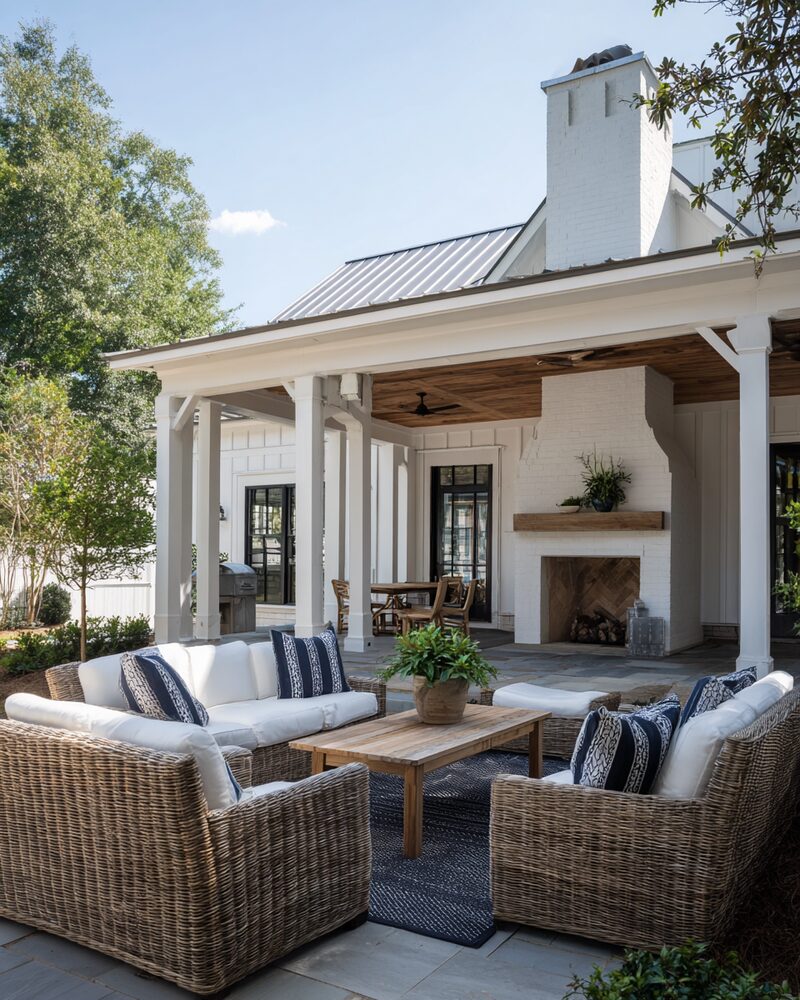
When buyers and sellers talk about the Northeast Atlanta market they often start with zip codes, school districts, and headline neighborhood names. Those are important, but the real value differences that make a house sell faster or command a premium usually live at street level. Understanding the small, repeatable advantages that make some streets outperform their broader zip code can help you buy smarter and sell for more.
A street that outperforms is not always the most expensive on the block. Often it is the street that aligns most closely with what local buyers want: safe walkways, pleasant sightlines, convenient commutes, and a sense of community. In Northeast Atlanta neighborhoods like Brookhaven, Chamblee, Dunwoody, Doraville, and Tucker the same zip code can contain streets with wildly different buyer demand. Recognizing those differences is how you get an edge.
Here are the street level signals to watch when buying or selling in Northeast Atlanta:
- Proximity to day-to-day routes: Streets that offer easy access to major corridors like I-85, I-285, Peachtree Boulevard, and GA 400 without being directly on them tend to attract consistent buyer demand. Buyers want quick commutes but not constant traffic noise.
- Local school and program clarity: Even within a single school district, a street where families can walk to a bus stop, park, or neighborhood program often shows stronger resale preference. Clear, consistent school and program access is a repeated motivator for buyers.
- Walkability and amenities within a short drive: Streets close to grocery stores, parks, cafes, and fitness options—even if those amenities are on a nearby corner—create higher perceived value. Walk scores matter more today than ever for buyers balancing work-from-home with local lifestyle.
- Streetscape and curb appeal: Mature trees, consistent sidewalks, attractive lighting, and well-maintained yards send a strong psychological signal. Buyers often pay more for the instant appeal of a pleasant streetscape because it reduces perceived future maintenance and increases neighborhood pride.
- Predictable parking and traffic patterns: Streets with manageable on-street parking and predictable traffic flow feel more liveable. If delivery, ride-share, and guest parking are predictable and safe, buyers respond.
- Micro-zoning shifts and future projects: Small municipal projects like sidewalk extensions, bikeway additions, or a new neighborhood park can suddenly raise demand on a single street. Conversely, planned road widening or commercial infill can reduce desirability. Pay attention to local council agendas and transit plans.
For sellers: how to position your home to benefit from a strong street narrative
- Tell the street story in your listing. Buyers search beyond zip codes online. Include neighborhood details in your description: proximity to parks, bus stops, traffic patterns at peak times, and any active street improvements. Photos that show sidewalks, tree canopy, and nearby amenities will attract the right buyers.
- Make strategic, high-impact updates that echo the street. A freshly painted front door, trimmed landscaping, and a clean porch communicate that your home fits into the desirable street fabric. Focus on immediate impressions rather than expensive remodels that dont match local norms.
- Price with street comps in mind. Two houses can be identical but priced differently by buyers because one sits on a quieter, better-maintained street. Ask your agent for a street-level comparative market analysis rather than a broad zip code CMA.
For buyers: how to find the streets that will hold value
- Drive the street at different times. Visit mornings, evenings, and weekend afternoons to sense traffic, noise, and neighbor activity. What looks calm during a midday tour may be a different story during rush hour.
- Talk to residents. Neighbors are often the best source for practical insights about parking, street events, noise, and any upcoming projects. Respectful conversation can reveal important patterns that listings and public records do not.
- Check for small public projects and code enforcement records. Sidewalk installations, tree-plant
